Pet Photographer Perfectly Captures The Diversity In Textures And Patterns Of Dog Hair

Pet photographer Shaina Fishman found a surprisingly beautiful way to play with the old phrase “hair of the dog.” Instead of a hangover cure, her version turns dog fur into the star of the show, and the result is oddly mesmerizing.
Her series, called “Hair of the Dog,” started as a holiday greeting for clients and grew into a collection of close-up portraits shot over many years. From a Dalmatian’s spotted coat to the curls of a poodle, each image focuses on texture, pattern, and the little details that make every breed stand out.
The full dogs are out of frame, but the personality is still there, one patch of fur at a time. Read on.
1. I don't think the poodle even sees the camera.

2. The easily recognizable Dalmatian.

3. We need to learn this dog's hair routine.

4. Wire-haired dog... or a rug?

5. Such a fuzzy sheepdog.

6. This one has gone grey from all the stress.

7. Beautiful shapes on this German Shepherd.

8. A shaved poodle. We couldn't believe it either.

Scrolling through these amazing photos must be so satisfying. The differences in texture and pattern among various breeds are fascinating to observe.
It's almost like fingerprints for us humans; every dog's hair feels so unique, and it's hard to believe that they're all dogs. You'd think there are tons of different animals here!
We hope you're enjoying it because there's more doggy fur below that you really don't want to miss.
And if you love fur transformations gone sideways, check out the person who tried dyeing their dog’s fur and hit epic fail.
9. Belgian Malinois.

10. The simple fur of an English Pointer.

11. The spotted fur of a German Shorthair Pointer.

12. Beautiful shepherd fur.
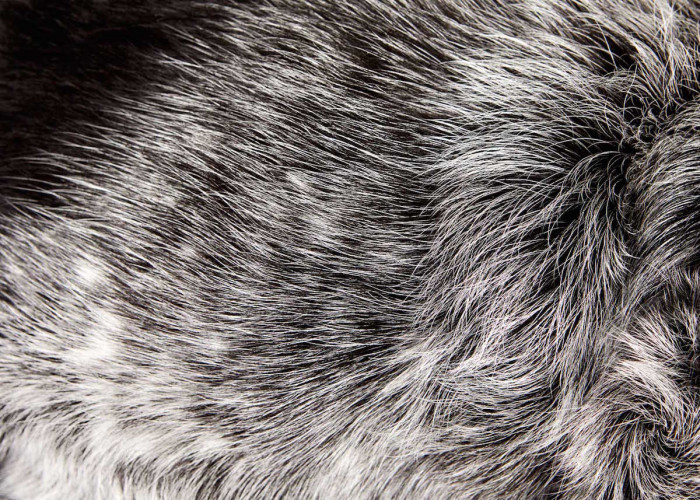
13. Another German Shepherd!

14. An Australian Shepherd looking absolutely incredible. Definitely my favorite.

15. Hair of the Dog cover.

Art comes in all shapes and forms, and it's easy for most people to appreciate.
Think you’ve seen every dog quirk? Compare unique nose prints like fingerprints in this nose-print study.
Share this article: